01
Academic Leadership
As the senior-most UGC-approved Kathakali professor, he embedded the art into the curriculum of Visva-Bharati, shaping Sangit Bhavana over decades from Lecturer to Principal.
Prof. T. Sankaranarayanan — known across India as Kalamandalam Sankaranarayanan — is among the senior-most living custodians of the Kalluvazhi school of Kathakali.
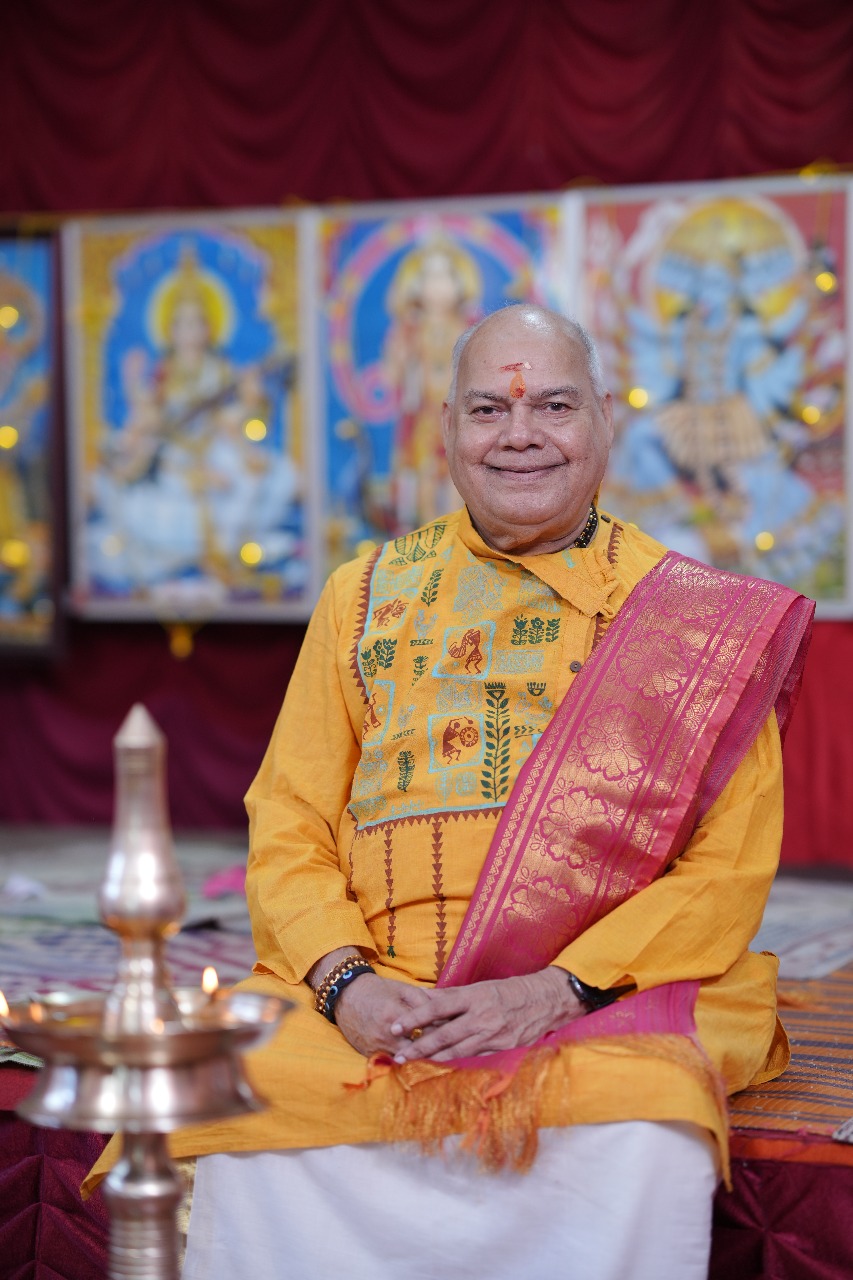
Born on 10 December 1939 in Manjeri, Malappuram, in the Malabar region of Kerala, Sankaranarayanan grew up in a household that balanced the social reformism of his father, C. Krishnan Nair, with the quiet traditional stability of his mother. His path into the classical arts was set early — uniquely inspired by the towering poet Vallathol Narayana Menon, founder of Kerala Kalamandalam.
Concluding his formal schooling in 1954, he heeded a deeper calling and entered the world of Kathakali — a decision that would define the next seven decades of his life and carry Kerala's art far beyond its borders.
From 1955, he trained at Kerala Kalamandalam during what is remembered as its Golden Era. Through the rigorous, traditional Gurukula system he absorbed the exacting grammar of the Kalluvazhi style — a school prized for its architectural precision of stance, rhythm and expression.
He was shaped by the legendary maestros of his generation, internalising not only the choreography of cholliyattam but the deeper discipline of a life lived in service of the art. By 1961 he had stepped onto the professional stage with the renowned PSV Natyasangham at Kottakkal.
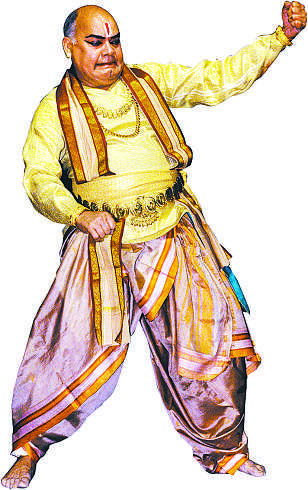
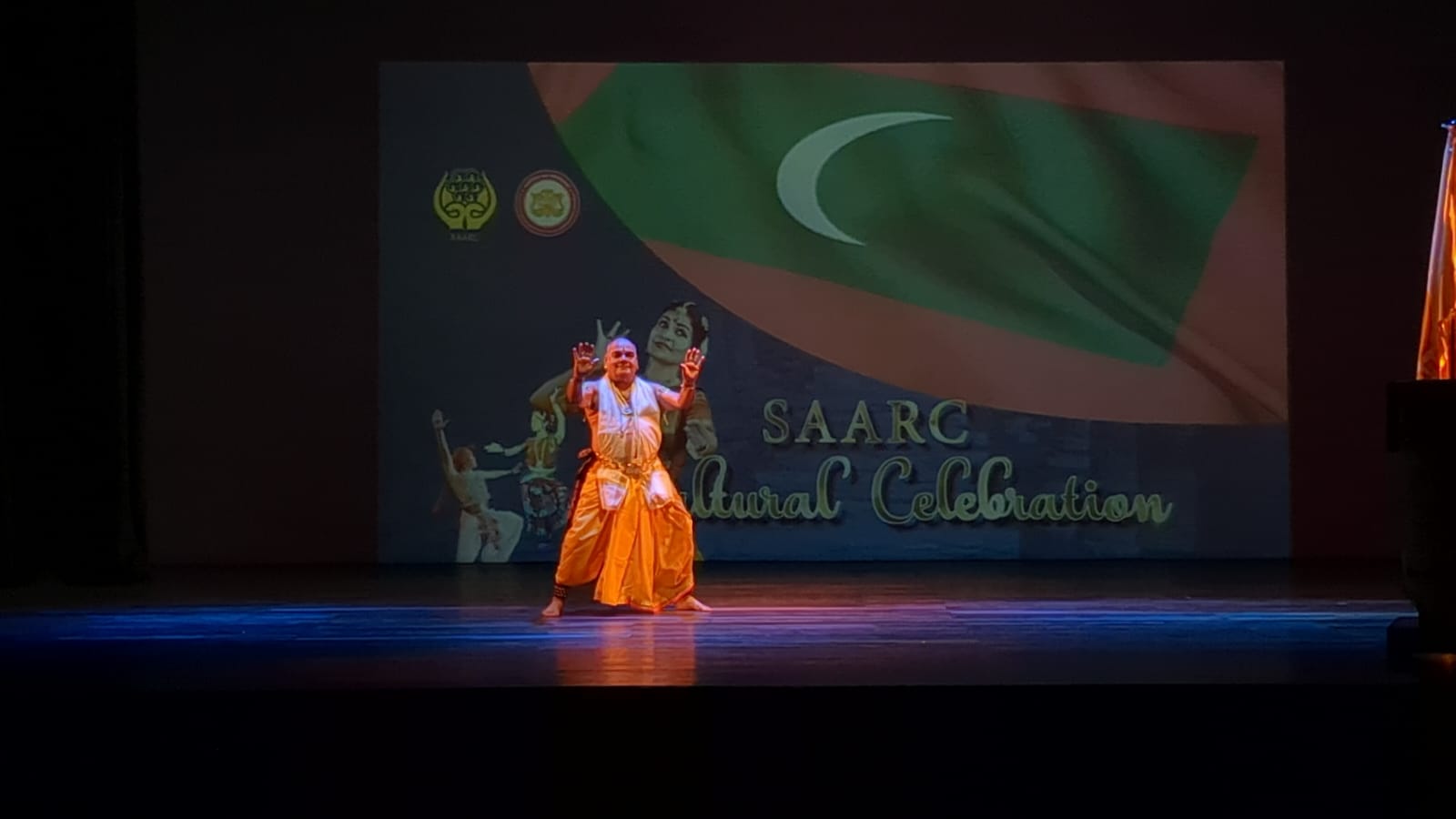
In 1970 he relocated to Kolkata, and soon after was invited to join Sangit Bhavana at Tagore's Visva-Bharati University. He broke a cultural barrier few artists attempt — settling in non-Malayalam-speaking West Bengal and learning Bengali to teach his students in their own tongue.
He fused the biomechanics of Kathakali with Tagore's Rabindra Nritya — a syncretic pedagogy unique in Indian dance.
Rising from Lecturer (1978) to Reader, Professor, Vice-Principal and finally Principal of Sangit Bhavana, he served until his retirement in 2004 — and continues to guide the institution as a Board of Study member and subject expert.
Follow the full timeline →As the senior-most UGC-approved Kathakali professor, he embedded the art into the curriculum of Visva-Bharati, shaping Sangit Bhavana over decades from Lecturer to Principal.
In rural Santiniketan he conducts free, gurukulam-style classes for tribal and underprivileged children — asking no fee, only a desire to keep the art's soul alive.
A guiding light on Kerala mural arts, chutti patterns and the dramatisation of rasa — serving as external examiner and reference point for art historians and performers.
A doyen of Kathakali whose lifelong dedication, rigorous training and role as a cultural torch-bearer have carried Kerala's art to new audiences.The Dance IndiaFeature: "A Doyen of Kathakali"
From the artistic roots of Malabar to the enduring Santiniketan years — a journey that bridged two of India's great cultural worlds.Mathrubhumi"Yathrakkidayil" column by Sreekanth Kottakkal